What are the typical results of mystery shopping surveys
Mystery shopping is a valuable evaluation method used by many companies in Switzerland to obtain an objective overview of the customer experience. Discover the typical results of these surveys and how the SAS Survey tool optimizes their use.

Mystery shopping is a valuable evaluation method used by many companies in Switzerland to obtain an objective overview of the customer experience provided by their establishments. This technique involves sending an anonymous investigator, or "mystery shopper," to interact with a company like an ordinary customer. The investigator observes and reports their experiences based on predefined criteria, which allows companies to identify their strengths and weaknesses. The results of these surveys can vary depending on the sector of activity but generally aim to improve the customer experience and ensure compliance with service standards. Let's explore in detail the typical results of these surveys in Switzerland. ## 1. Improvement of service quality One of the most common results of mystery shopping surveys is the improvement of the quality of service offered by the company. Mystery shoppers evaluate various aspects of the customer experience, such as staff courtesy, speed of service, cleanliness of the premises, and even the quality of the products or services offered. For example, in the restaurant sector, these surveys may reveal needs for improvement in areas such as customer greeting, food presentation, or the speed of order taking. Companies can use this information to adjust their staff training strategies, which helps to ensure a more consistent and satisfying customer experience. These improvements are often crucial for retaining customers and attracting new consumers. ## 2. Compliance with standards Another typical result of mystery shopping surveys is the measurement of compliance with standards established by the company or the industry. These standards may include specific protocols to be followed, such as greeting procedures, sales methods, or product return policies. Mystery shoppers verify whether these standards are effectively applied in practice. For example, in the retail sector, it is essential that staff follow strict processes to ensure a consistent and professional shopping experience. The gaps identified between expectations and reality allow companies to implement corrective measures, such as additional training or adjustments to internal procedures, to ensure that all employees meet the required standards. ## 3. Customer loyalty and satisfaction The results of mystery shopping surveys often show that companies that constantly monitor and improve their customer service see an increase in customer satisfaction. A satisfied customer is not only more likely to return but also to recommend the company to others. In Switzerland, where competition is strong in many sectors, customer loyalty is crucial. Mystery shopping surveys allow for the measurement of specific aspects of customer satisfaction, such as ease of access to services, staff responsiveness, or effective problem resolution. These elements are key to creating a positive customer experience that will encourage loyalty and recommendations. A company that excels in these areas is better positioned to thrive in a competitive market. ## 4. Benchmarking and training Data collected during mystery shopping surveys is also valuable for benchmarking, which is the comparison of internal and external performance. Companies use these results to compare the performance of different locations or departments, as well as to evaluate their positioning relative to the competition. Internally, benchmarking identifies best practices to adopt across the company. Externally, it helps to understand how a company compares to its competitors and where improvements are needed to remain competitive. Furthermore, the results of mystery shopping surveys serve as a basis for developing targeted training programs. These trainings can focus on specific aspects identified as failing, thus ensuring that all employees possess the skills necessary to provide superior quality customer service.

FAQ
Further reading
Want to evaluate your customer experience?
Let's discuss your goals and build a program tailored to your business.
Request a quoteRelated articles


Audit Qualité de Service Transports Publics et Aviation : Évaluer l'Expérience Voyageur de Bout en Bout
Les Transports Publics et l'Aviation sont au cœur de l'activité économique et sociale de la Suisse. Évaluez l'expérience voyageur de bout en bout, de l'achat du billet à la sortie de la gare ou de l'aéroport.
Read article
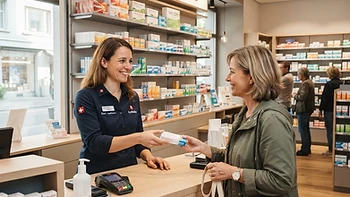
Client Mystère Pharmacie Suisse : Audit de Conformité et d'Excellence Santé
Le secteur de la Santé et de la Pharmacie est unique : la qualité du service y est directement liée au bien-être et à la sécurité du patient. Évaluez l'ensemble du parcours, de la prise de rendez-vous au suivi post-consultation.
Read article